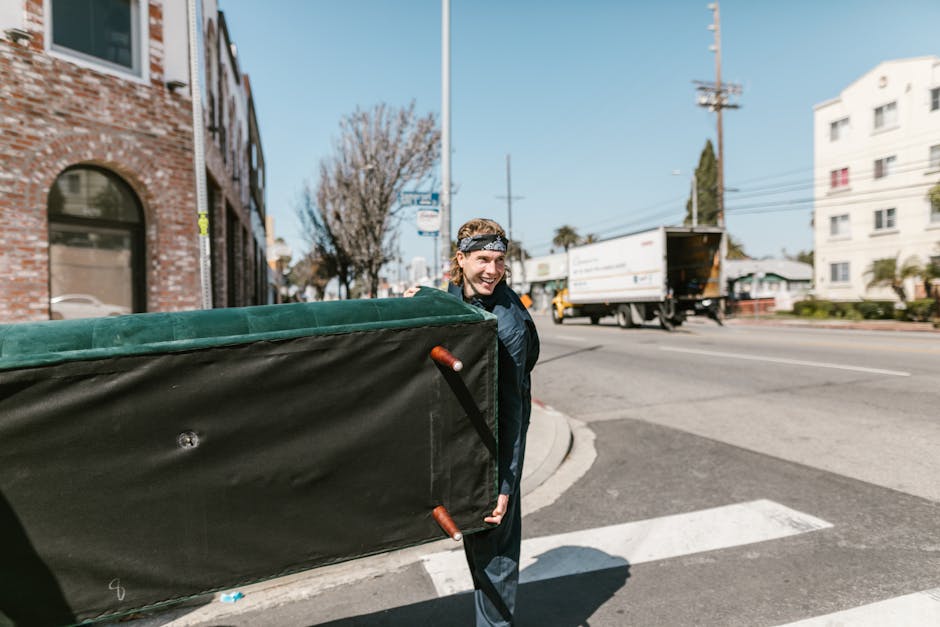
Moving Near Valence House? Tips for Safe Local Removals
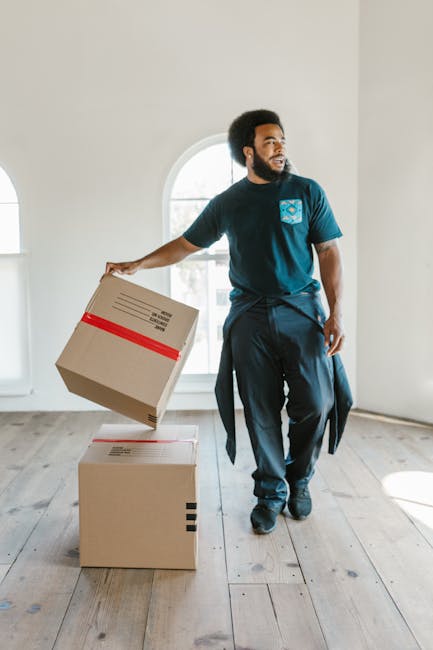
Moving close to Valence House sounds simple on paper. It's local, the distance is short, and you may assume a quick van job will do the trick. But anyone who has moved around Becontree, RM8, or the streets near the park knows there's a bit more to it than that. Tight parking, shared driveways, awkward stairwells, fragile furniture, and the usual last-minute chaos can all turn a "small move" into a stressful day. That's why Moving Near Valence House? Tips for Safe Local Removals matter so much: the right plan protects your belongings, your back, and your sanity.
In this guide, you'll find a clear, local-minded approach to safer removals. We'll look at what makes the area different, how to plan each stage, what mistakes to avoid, and which services and resources can make the whole thing easier. If you're moving into a flat, a family house, a student room, or just shifting a few heavy pieces, this will help you make decisions with a lot more confidence. And yes, there's a practical checklist near the end, because nobody needs to rely on memory on moving day.
- Why moving near Valence House matters
- How local removals in the area work
- Key benefits and practical advantages
- Who this is for and when it makes sense
- Step-by-step guidance
- Expert tips for better results
- Common mistakes to avoid
- Tools, resources and recommendations
- Law, compliance, standards and best practice
- Options, methods and comparison table
- Case study or real-world example
- Practical checklist
- Conclusion
- Frequently asked questions
Why Moving Near Valence House? Tips for Safe Local Removals Matters
Moving near a well-known local landmark like Valence House usually means dealing with an area that blends residential streets, busier routes, and older housing stock. That combination is where problems tend to appear. A removal van can be perfectly capable, but if the driver can't park safely, if the hallway is too narrow for a wardrobe, or if the weather turns wet halfway through the load, your move becomes slower and riskier.
Safe local removals matter for three simple reasons. First, physical safety: heavy lifting and awkward turns can cause injuries fast. Second, property protection: walls, floors, banisters, and door frames are easy to scuff during a rushed move. Third, time control: a local move should be efficient, not dragged out by avoidable setbacks. To be fair, most moving mishaps are boringly predictable. They happen when people underestimate access, overpack boxes, or leave everything to the last hour.
This is especially relevant if you're moving from or to a flat, a maisonette, or a home with limited roadside space. Even a short journey can benefit from proper planning. That's why a local removals checklist is not overkill. It's common sense dressed up nicely.
If you want a broader stress-reduction approach before the move itself, our stress-free moving guide is a useful companion piece, especially if you're trying to keep the whole process calm rather than chaotic.
How Moving Near Valence House? Tips for Safe Local Removals Works
Safe local removals work best when they follow a simple sequence: assess, prepare, protect, move, and settle. Sounds obvious, sure, but the value is in doing each step properly. A short-distance move still needs planning because the physical handling is what causes most damage, not the miles on the road.
Here's the basic flow:
- Survey the property access - measure stairs, door widths, lifts, parking access, and any sharp corners.
- Sort what's moving - decide what goes, what stays, what's donated, and what needs storage.
- Pack by room and fragility - keep essentials separate and label boxes clearly.
- Prepare the large items - beds, sofas, wardrobes, and appliances need special handling.
- Protect both the property and the load - use blankets, wraps, straps, and proper lifting technique.
- Load strategically - heavy items first, fragile items last, with weight balanced across the van.
- Unpack methodically - place essentials where they're needed, not wherever there's space.
In practice, a well-run local move often feels almost boring, and that's a good sign. Boxes go out, furniture comes in, and nobody is improvising with a kettle balancing on a chair. If you're moving a full home, the planning side matters even more. Our house removals service in Becontree is built around that kind of structured approach.
One small but important detail: if the move involves a lot of packed boxes, you'll save time by using a sensible packing system. The article on packing smart when moving house is a solid place to start. It's not glamorous, but it stops the "where did we put the Wi-Fi router?" drama later.
Key Benefits and Practical Advantages
Moving safely near Valence House gives you more than just peace of mind. It changes the whole rhythm of the day. When the route, parking, and loading process are thought through, everything feels lighter. Less scrambling. Less carrying things twice. Fewer arguments over who packed the charger, again.
Some of the real benefits include:
- Reduced breakages because items are padded, stacked, and handled properly.
- Lower injury risk thanks to correct lifting and equipment.
- Better timekeeping because access issues are planned for rather than discovered late.
- Cleaner handover if you've prepared the property properly before leaving.
- Less disruption to neighbours because parking and loading are done considerately.
There's also a hidden benefit that people don't always mention: mental relief. When the move is under control, you can actually enjoy the fresh start. You notice the new light in the rooms. You have a moment to breathe before the first box becomes part of your life. That counts.
For bulky items, the benefit of using the right specialist support is even clearer. Furniture can be easier to handle when it's disassembled properly and wrapped well. Our furniture removals in Becontree page covers the sort of service that helps protect bigger, awkward pieces from damage.
If you're not sure whether professional help is worth it, a good rule is this: if the item is heavier than you'd comfortably carry down stairs with a friend and a laugh, it probably deserves proper moving support. That's just the honest version.
Who This Is For and When It Makes Sense
This guidance is useful for almost anyone moving within the local area, but it is especially relevant for people dealing with access challenges, valuable furniture, or tight timelines. A "local move" sounds small until you're standing in a hallway with a sofa that definitely seemed smaller in the living room.
It makes sense if you are:
- Moving into or out of a flat, maisonette, or upper-floor property
- Relocating a family home with lots of furniture and boxed belongings
- Handling a student move with limited items but very little time
- Shifting one or two heavy pieces that are awkward to carry
- Needing same-day or short-notice support
- Preparing for storage between homes
If you're a student or young professional moving on a deadline, the right support can save a lot of stress. Our student removals in Becontree page is a helpful fit for those quick-turnaround situations.
And if your move is more about a quick local shift than a full-scale relocation, a man and van service in Becontree can be a practical option. Sometimes that's all you need. Sometimes it really is.
Step-by-Step Guidance
Let's make this genuinely usable. Here's a straightforward process for a safer local move near Valence House.
1. Start with a room-by-room sort
Before you pack anything, decide what is actually coming with you. Old cables, duplicate cookware, worn-out bedding, broken storage boxes, half-finished DIY projects - these all eat up time and space. Decluttering first means fewer boxes and fewer lifting tasks. If you want a fuller method, our pre-move decluttering guide is worth reading.
2. Measure the awkward bits
Doorways, staircases, tight turns, and the height of the van matters more than people think. It only takes one "we'll just angle it" moment to chip a wall or catch a hand. If you've got a piano, large wardrobe, or wide sofa, measure before moving day. Not after. Definitely not after.
3. Pack with categories, not random optimism
Use sturdy boxes for books and smaller heavy items. Keep kitchen items together. Pack bedding with bedding. Put screws, bolts, and fittings in labelled bags and tape them to the item they belong to, or keep them in a clearly marked pouch. The calm that comes from a label is underrated, honestly.
4. Protect furniture properly
Use wrapping, blankets, and corner protection where needed. Sofas, tables, and mattresses all need different handling. If a sofa is going into storage first, it needs extra care against damp and dust too. You can see more in our sofa storage guide.
5. Arrange parking and access
For local moves around RM8 and the streets near Valence House, access can be the make-or-break detail. Think about where the van can safely stop, whether there are yellow lines, and how far items need to be carried. If you're unsure about route planning and parking, our RM8 routes and parking guide is useful background reading.
6. Move heavy items with the right technique
Lift with your legs, keep loads close to your body, and avoid twisting while carrying. That old advice exists for a reason. If something feels unstable, stop and reset. It's not a test of bravery. In fact, one of the better pieces on safe lifting and body mechanics explains why good posture and leverage matter more than heroics.
7. Check the property before you leave
Do a final walk-through. Cupboards, lofts, sheds, charging cables, medicine drawers, and the back of doors are the usual culprits. Then clean the place properly so the handover isn't awkward. A few final touches can make the difference between a smooth exit and a rushed apology. Our leave your house spotless guide walks through that neatly.
8. Put the essentials where they'll help first
Unpack the first-night box straight away. Think kettle, mugs, chargers, toilet roll, basic toiletries, bedding, and a change of clothes. It's a small thing, but it changes the entire tone of the first evening. You don't want to spend hour one hunting for the teabags while standing in a hallway full of boxes.
Expert Tips for Better Results
Here's where the details really start to matter. A local move can be efficient, but only if you respect the little friction points that slow everything down.
- Book the right-sized van rather than assuming smaller is cheaper. Multiple trips can cost more in time and energy.
- Keep a tool kit handy with screwdrivers, Allen keys, tape, scissors, markers, and basic cleaning cloths.
- Wrap glass and mirrors individually and label them clearly. "Fragile" alone is not enough if the box looks ordinary.
- Separate valuables and documents so they travel with you, not in the back of the van.
- Use storage if needed when move-out and move-in dates do not line up cleanly.
If you think you'll need temporary holding space, a local storage option in Becontree can make a surprising amount of sense. That's especially true if you're downsizing, waiting on decorators, or dealing with a delayed completion date.
One more practical note: don't overfill boxes. It seems efficient at the time, then the bottom splits and you're all standing there in silence. Not ideal. Books in small boxes. Light items in larger ones. Simple rule, good outcome.
If a piano is part of the move, do not treat it like a normal item. Honestly, that is where DIY confidence goes to die. Our guide on the dangers of DIY piano relocation explains why specialist handling matters, and the dedicated piano removals service is the sensible next step for instruments of that size and value.
Common Mistakes to Avoid
Most moving problems are boring, predictable, and avoidable. That's the frustrating part.
- Leaving packing too late and then rushing fragile items into the wrong boxes.
- Ignoring access constraints like narrow stairways, basements, or awkward parking.
- Using the wrong materials such as old supermarket boxes that collapse under weight.
- Forgetting to label boxes and creating a treasure hunt in the new house.
- Trying to move oversized items alone because "it'll probably be fine". It often isn't.
- Not checking insurance or service terms before the move starts.
The biggest mistake of all is probably assuming a local move is automatically easy. It can be easy, yes. But only if the planning is better than the moving day noise. If you start calm, the rest usually follows.
Another one: not thinking about what happens after the move. If appliances need to be stored or switched off for a while, for example, you may need proper preparation. Our article on storing a freezer for extended non-use is a good reminder that white goods need different care from furniture.
Tools, Resources and Recommendations
You do not need a warehouse of specialist kit to move safely, but a few basics go a long way. Think of this as your practical moving box of sanity.
| Item | Why it helps | Best for |
|---|---|---|
| Strong boxes | Reduce breakages and make stacking safer | Books, kitchenware, general household items |
| Bubble wrap or paper | Cushions fragile items during transit | Glass, decor, electronics |
| Furniture blankets | Protects surfaces and edges from knocks | Sofas, tables, wooden furniture |
| Ratchet straps | Keeps items stable inside the van | Large loads, awkward furniture, appliances |
| Marker pens and labels | Makes unpacking faster and less confusing | Everything, frankly |
| Dolly or sack truck | Reduces strain when moving heavy boxes or appliances | Fridges, washing machines, heavy cartons |
For a full setup, professional support matters as much as tools. Our removal services in Becontree page gives a useful overview of what can be covered, from loading to transport and help with heavy furniture.
And if you're comparing options, it helps to look at service depth rather than only headline price. A cheap quote can be fine. Or it can turn into a long day and hidden extras. You know how that goes.
Law, Compliance, Standards, or Best Practice
For most household moves, there usually isn't a complicated legal process at the moving stage itself, but there are still important UK standards and expectations worth respecting. The key areas are safety, insurance, parking, and fair service terms.
Best practice includes:
- Using safe lifting methods and avoiding unnecessary strain
- Checking what your mover covers in terms of damage and liability
- Following parking restrictions and local access rules
- Keeping pathways clear so nobody trips during loading
- Making sure goods are prepared properly for transit
If you are hiring a removals provider, it is sensible to review their service terms, safety approach, and payment process in advance. That sounds dry, but it saves headaches later. The relevant support pages on insurance and safety and payment and security are worth checking before booking. You may also want to review the company's terms and conditions and health and safety policy for a clearer picture of what to expect.
There's also a sustainability angle. Reuse, donate, and recycle where possible. It's cleaner, lighter, and better for the next person. The local recycling and sustainability information is useful if you want to handle unwanted items responsibly rather than sending everything to the tip.
Options, Methods, or Comparison Table
Choosing the right moving method near Valence House depends on how much you're moving, how awkward the access is, and how much time you have. Here's a simple comparison.
| Method | Best for | Pros | Trade-offs |
|---|---|---|---|
| DIY move with a car | Very small loads | Low upfront cost | Multiple trips, limited space, higher risk of damage |
| Man and van | Small to medium local moves | Flexible, practical, often quick | May be less suitable for full-house loads |
| Full removals service | House moves, heavy or complex jobs | More support, better for awkward items, less stress | Usually costs more than a basic van hire option |
| Storage plus removals | Gap between move dates or downsizing | Flexible timing, less pressure on moving day | Extra planning needed for storage access and item listing |
For many local residents, the sweet spot is somewhere between a basic man-and-van booking and a fuller managed move. If you're unsure, looking at removals in Becontree alongside man with a van options can help you decide what level of support fits the actual job, not just the idea of the job.
Case Study or Real-World Example
Here's a realistic example from a type of move that comes up often around the local area. A couple moved from a second-floor flat near Valence House into a nearby terraced house, with a narrow stairwell, one large sofa, a bed frame, and a mix of kitchen boxes and books. They thought the move would be straightforward because the distance was short. It was local, after all. But the first snag arrived quickly: the sofa looked fine in the living room and then became very un-fine at the stair bend.
The solution was simple, but not instant. They disassembled the bed, wrapped the sofa, moved the heaviest boxes first, and used a better loading order in the van. They also parked a little further away than they'd hoped, because the nearest space was too tight for safe unloading. That small decision avoided damage and saved a lot of back-and-forth.
The result? The move took longer than they first imagined, but there were no scratches on the banister, no crushed box corners, and no one left the day feeling completely wiped out. The takeaway wasn't that the move was effortless. It was that the move was controlled. That's a much better outcome.
If your move involves a bed or mattress, the same logic applies. Disassemble what you can, protect the surface, and use the right handling method. Our bed and mattress moving guide explains how to do that without turning the room into a jumble of slats, screws, and mild regret.
Practical Checklist
Use this before moving day. Print it, copy it into your notes app, scribble it on the back of a cereal box if you must. Just use it.
- Confirm the move date and access time
- Check parking arrangements near both properties
- Measure doors, stairs, and large furniture
- Sort belongings into keep, donate, recycle, and store
- Pack fragile items with clear labels
- Prepare a first-night essentials box
- Disassemble beds and other large furniture if needed
- Protect floors, walls, and door frames during loading
- Keep important documents and valuables with you
- Review insurance, terms, and payment details
- Do a final property walk-through
- Leave the old property clean and empty
If you're at the stage of comparing providers or want a clearer quote, the pricing and quotes page is the sensible next stop. It helps you move from planning to action without guessing what the service will involve.
Get a free quote today and see how much you can save.
Conclusion
Moving near Valence House does not need to feel like a major ordeal. With the right preparation, sensible packing, good lifting habits, and a service that matches the size of your move, you can keep things safe and relatively calm. That's the real aim. Not perfection. Just a move that goes smoothly enough for you to breathe, drink your tea, and get on with making the new place feel like home.
If you take one thing from this guide, let it be this: local removals are easier when you plan for the small things before they become big ones. Parking, access, labels, wrapping, storage, and clean handover steps may feel minor on their own, but together they shape the whole day.
And honestly, once the last box is in and the kettle is on, the rest starts to look manageable.
Frequently Asked Questions
What makes moving near Valence House different from any other local move?
The area can involve a mix of residential streets, parking limits, older homes, and flats with tighter access. That means planning matters a bit more than people expect, even for short distances.
Do I need a full removals service for a small local move?
Not always. A man-and-van setup can be ideal for smaller loads, a few bulky items, or a simple flat move. If you have stairs, fragile furniture, or a lot of boxes, a fuller service may be the safer choice.
How far in advance should I book a local removal?
As early as you can if your date matters. Local moves can sometimes be arranged quickly, but the best options and time slots often go first, especially at weekends or month-end.
What should I pack separately on moving day?
Keep valuables, documents, keys, chargers, medication, and your first-night essentials separate. It saves a lot of searching later, which is always nice when you're tired.
Is it worth using storage during a local move?
Yes, if your move-in and move-out dates do not line up, or if you're downsizing. Storage can reduce pressure and keep the day much more manageable.
How do I reduce the risk of damage to furniture?
Measure before moving, wrap edges and surfaces properly, disassemble where sensible, and load items securely in the van. For large or valuable pieces, professional handling is usually the better call.
What is the best way to move a mattress or bed frame?
Disassemble the frame, bag the fixings, protect the mattress with a proper cover, and carry it upright where possible. Our bed and mattress guide goes into the practical side in more detail.
Can I move a piano myself if it is only a short distance?
Short distance does not automatically mean safe. Pianos are heavy, awkward, and easy to damage. Specialist piano removals are usually the better and safer option.
How do I know if my mover is reliable?
Look at the clarity of their service information, whether they explain insurance and safety, and whether their terms are transparent. A reliable provider should be willing to answer straightforward questions without fuss.
What should I check before paying for a removal service?
Check what is included, how payment works, whether there are any extra charges, and what happens if access is more difficult than expected. The clearer the answer now, the less awkward the day will be.
What if I need to move at short notice?
Same-day or short-notice removals can work well for smaller jobs if the access is manageable. The key is to be flexible with timing and have packed everything possible before the team arrives.
Should I clean the property before or after the move?
Ideally both, lightly as you go and then properly at the end. A final clean helps with handover and avoids the unpleasant surprise of returning later to deal with missed spots.
What is the safest way to lift heavy boxes?
Keep your back neutral, bend your knees, hold the box close, and don't twist suddenly. If a box feels too heavy, split the contents or use a trolley. Your back will thank you later.
Where should I start if I'm planning a move near Valence House right now?
Start with decluttering, then check access and parking, then choose the moving support that fits the size of your job. Once those three things are sorted, the rest tends to fall into place more easily.